How Backyard Composting Affects Pest Activity in Nashville
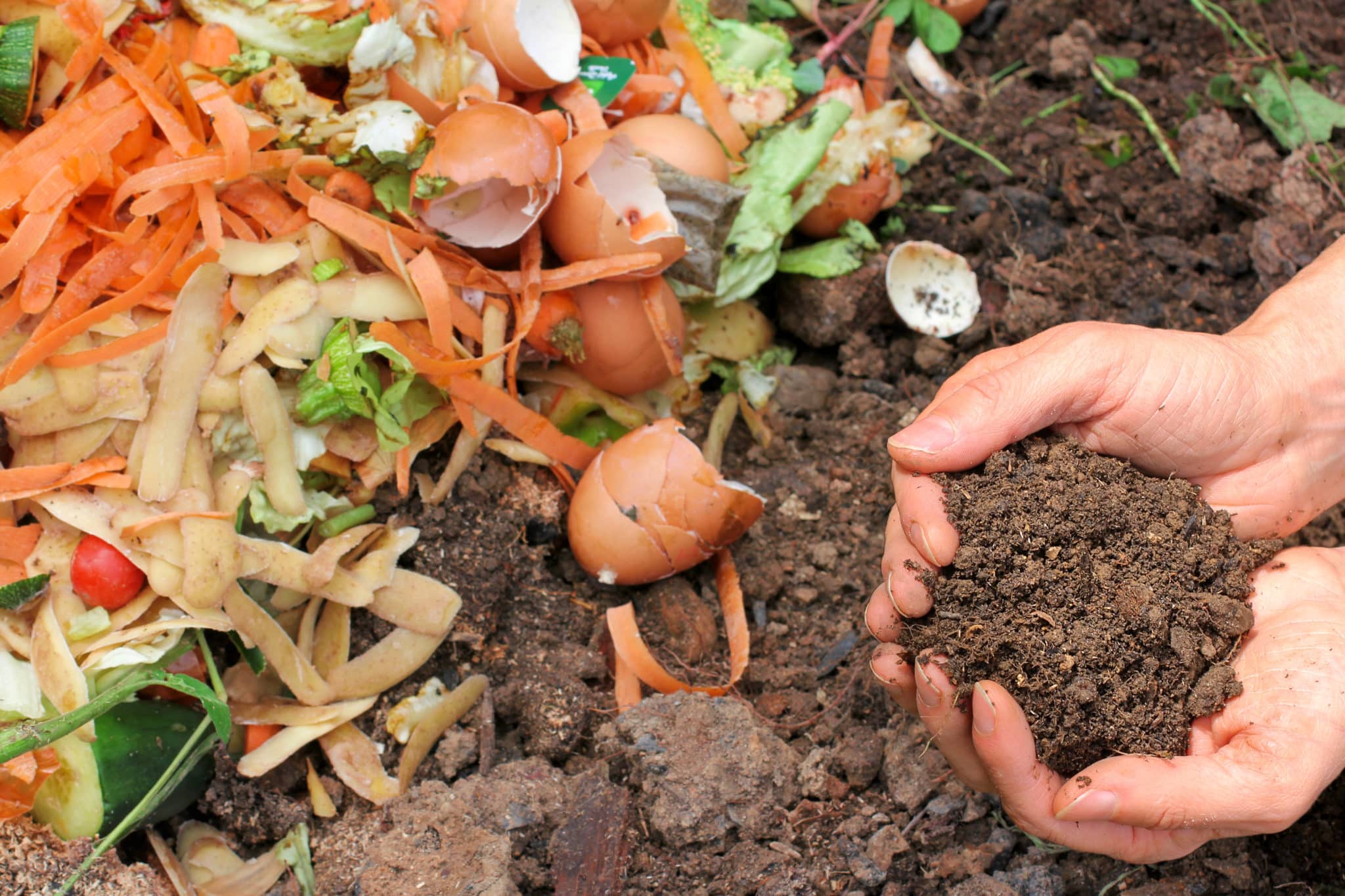

Numerous homeowners across Nashville are using backyard compost effectively to enrich their garden soil while minimizing waste. But many residents soon find themselves with an unexpected downside: increased pest infestations on their property. There is a tangible link between organic waste and unwanted visitors, whether from raccoons ripping open bags in the calm of Sylvan Park streets or rats taking up residence next to unregulated compost mounds in East Nashville.
Understanding how compost affects pest behavior, considering our specific growing conditions in Middle Tennessee, can help you maintain an environmentally friendly yard that does not become a haven for wildlife. Finally, you may want to seek help from local pest control experts from saelapest.com if the pest problem is too big for you to handle.
The Science of Compost and Pest Attraction
Compost piles form a so-called nutrient hotspot, a concentrated food source that lures opportunistic feeders, scientists say. This decomposition releases volatile organic compounds, and natural pests can detect these decomposition products from hundreds of feet away! According to research, the odorous signals that announce the presence of a meal to rodents, insects, and larger mammals are nitrogen-rich materials such as fruit scraps and vegetable rinds.
Temperature is also key: a pile that does not hit the 135-160°F sweet spot will not decompose properly, leaving food waste exposed for longer. At moisture levels above 60%, anaerobic decomposition begins, producing a strong odor that attracts many flies and cockroaches. If not done correctly, this trifecta of food, heat, and moisture is genuinely the most perfect conditions for a pest’s heaven.
Nashville’s Climate and Compost Challenges
For instance, the humid subtropical climate characteristic of Nashville presents its own set of challenges for backyard composters. The average annual rainfall in the city is 47 inches, and that can easily turn outdoor compost bins into a swamp, the pee-pee bathroom of pests.
Summer challenges include:
- Elevated humidity (July averages 70%) speeds decomposition but also accelerates pest reproductive rates
- 90°F temperatures that cause compost piles to dry out or attract heat-seeking rodents
- Mosquito seasons that get active from humid organic materials
Winter considerations:
- The lack of freezing winters (typical nightly lows around 28°F) allows pests to remain active year-round, whereas in northern cities, the cold weather provides a natural form of pest control.
- This reduction in activity slows decomposition, making food waste exposed for longer.
Native Davidson County environmental knowledge suggests that 200+ frost-free days mean composting can go on almost indefinitely, providing pests with an extended period to find their way to your pile.
How Composting Changes Pest Behavior Around Homes
When a pest finds your compost pile, it will start behaving differently. Rats and mice will burrow around and near their food source; they will most likely make their nests in a shed, garage, or deck within 15 feet of their food. Raccoons establish regular feeding patterns, returning nightly and often tearing things up in search of a free meal.
Compost areas attract fruit flies and other insects that breed, and Nashville’s warm months mean these pests can multiply quickly. Opossums and skunks, both already familiar sights in Nashville neighborhoods, began to adapt their local ranges to include yards with accessible compost. Instead, this behavioral adaptation has resulted in pests not just a house visit but a permanent houseguest.
Compost Responsibly, Protect Your Home
The good news? You do not need to give up composting to keep your yard pest-free. Pests are less attracted to enclosed tumbler bins (rather than open piles); burying food scraps under brown materials (e.g., leaves) helps, and avoiding manure, meat, dairy, and oily foods also helps limit pests. Numerous Nashville residents are raving about countertop composting systems or signing up for community composting programs that compost off-site. Proper maintenance, turning your pile once a week and checking moisture levels, helps maintain efficiency and low odor.
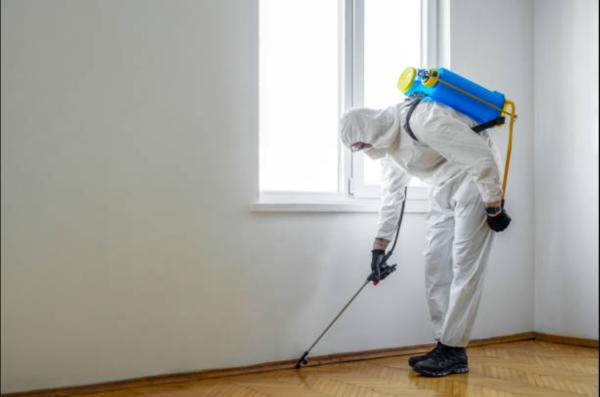
For homeowners already burdened by existing pest populations, local companies like Saela Pest Control offer integrated solutions that eliminate infestations while your household continues sustainable practices. They collaborate with Nashville locals to determine the attractants present and the prevention methods suited to Middle Tennessee properties, so your yard can be environmentally friendly and protected at the same time.