Why Using Mulch in Gold Coast Gardens Can Transform Your Outdoor Space
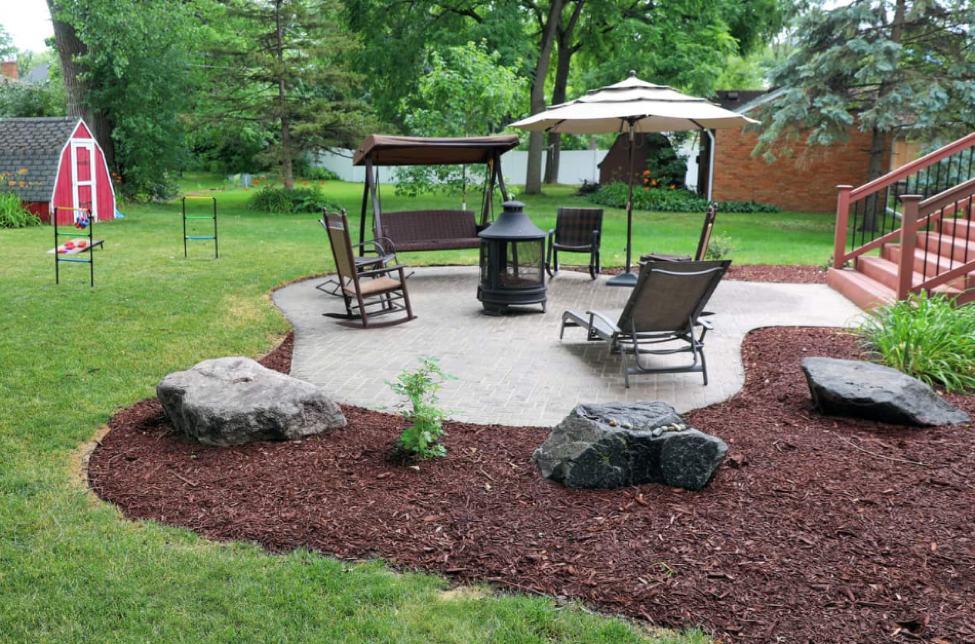

Most Gold Coast gardeners slap down mulch because someone told them to. They know it helps with weeds and water. What they don’t know is they’re probably using the wrong type, applying it at the wrong time, and missing out on benefits that could save them hours of work. Mulch in Gold Coast gardens isn’t just ground cover. It’s the difference between a garden that fights you and one that practically runs itself.
Moisture Retention
Here’s something nobody mentions. The Gold Coast’s coastal sand doesn’t just drain quickly. It actually repels water when it dries out completely. You’ve probably seen it happen after a dry spell when you water and it just runs off the surface.
Mulch fixes this by keeping that top layer from ever getting bone dry. But there’s more going on. Decomposing mulch becomes home to fungal networks that work like underground plumbing. These fungi move water from wet spots to dry spots. Your plants get consistent moisture even when your watering is inconsistent. Garden beds that have been mulched for a few seasons develop this network naturally. New gardens without it struggle no matter how much you water.
Temperature Regulation
Everyone says mulch keeps soil cool. True, but here’s what matters more for Gold Coast gardens. Unmulched soil forms a hard crust when it heats up. This crust sheds water instead of absorbing it. It also restricts air flow to roots.
Mulch stops that crust from forming. The soil stays loose and breathable underneath. On those rare winter mornings when frost threatens, mulched beds stay just warm enough to protect tender plants. I’ve seen mulched veggie gardens keep producing through cold snaps that killed unmulched ones next door. The temperature thing isn’t about the numbers. It’s about keeping soil alive and functional.
Weed Suppression
The real problem with Gold Coast weeds isn’t that they grow. It’s that they grow from runners underground. Nutgrass, oxalis, creeping indigo—they laugh at surface mulch. You need to understand how different weeds work.
Mulch in Gold Coast gardens stops seed germination brilliantly. For runners, you need cardboard or thick newspaper as a base layer first. Wet it thoroughly, overlap the sheets, then pile mulch on top. This creates a barrier runners can’t penetrate. The cardboard breaks down after the mulch settles. By then you’ve got thick enough coverage to smother new growth. Skip this step and you’ll be pulling nutgrass through your mulch forever. Most people skip it.
Soil Enrichment
Eucalyptus mulch is everywhere around here because it’s cheap. It’s also the worst choice for most gardens. Eucalyptus contains compounds that inhibit other plants from growing. That’s why nothing grows under eucalyptus trees. Your garden mulch does the same thing on a smaller scale.
Hardwood mulch from native rainforest species breaks down into rich, dark soil. Tea tree mulch does something clever—it has natural antifungal properties that protect against root rot in our humid climate. Sugar cane mulch decomposes fastest and feeds soil quickest but needs replacing more often. Match your mulch to what your garden actually needs, not what’s on sale. The soil life that develops under good mulch does more for plant health than any fertiliser you can buy.
Aesthetic Appeal
Fresh mulch looks great for about a month. Then the Queensland sun bleaches it grey and it looks worse than no mulch at all. Landscapers know this and use dyed mulch that holds colour longer. Or they choose naturally dark mulches that fade to charcoal instead of grey.
The best trick is using different mulches in layers. Coarse material on bottom for structure, fine material on top for appearance. The fine layer gets refreshed annually while the coarse base keeps working underneath. This costs less than replacing everything and looks better year-round. Most gardens waste money redoing mulch completely when they only need to top up.
Environmental Sustainability
Local councils chip thousands of tonnes of tree waste yearly. Most gets dumped or burned. Using local mulch keeps this material in use and out of landfill. The environmental benefit isn’t just about recycling though.
Healthy mulched soil stores carbon long-term. Bare soil releases carbon. Gardens that have been mulched properly for years hold significant amounts of carbon in their soil structure. You’re not just making your garden better. You’re actually pulling carbon out of the air and locking it underground. Scale that across every garden in the Gold Coast and it matters. Plus you’re using less water from stressed catchments. Individual actions add up.
Conclusion
Understanding how mulch in Gold Coast gardens actually works changes how you use it. The gardens that thrive aren’t necessarily getting more attention. They’ve got systems working in their favour. Proper mulching creates those systems. It builds soil life, manages water efficiently, and controls pests naturally. Gardens get easier to maintain because the mulch does work you’d otherwise do manually. Pick the right type, apply it properly with barriers where needed, and let time do its work. That’s how you build a genuinely low-maintenance garden that actually produces results.