
Garden Maintenance: Common Issues That Affect Plant Growth
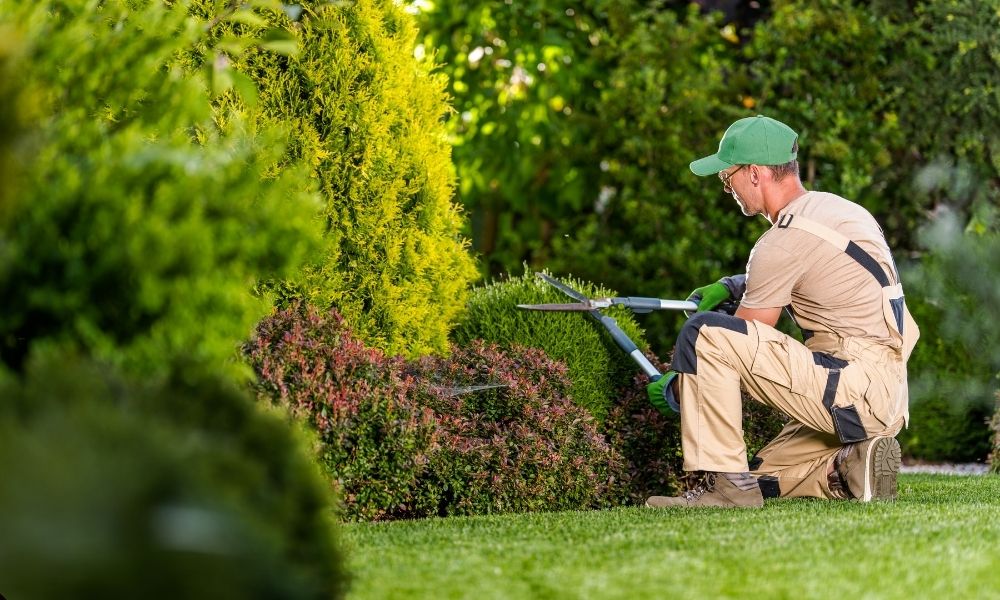

Garden maintenance is not merely about aesthetics or property value, though both matter. At its core, it represents our collective responsibility to nurture living systems that depend on us for survival. In Singapore, where over 80 percent of residents live in high-density housing and green spaces serve as vital refuges from urban intensity, understanding what threatens our plants becomes an act of environmental stewardship. The challenges we face in our gardens reflect larger ecological realities, and addressing them equips us to be better caretakers of the natural world.
The Humidity Challenge: When Moisture Becomes the Enemy
Singapore’s humidity typically hovers between 70 and 90 percent, creating an environment where fungal diseases flourish with alarming speed. This presents gardeners with a paradox: the same tropical conditions that allow certain plants to thrive also create ideal circumstances for their destruction. Understanding this dynamic empowers us to make informed decisions rather than reacting to crises after they emerge.
Fungal leaf spots represent one of the most prevalent issues in garden upkeep. Various pathogens cause spotted or blotchy leaf discolouration, particularly during periods of peak humidity. The solution requires vigilance and prompt action. Improve air circulation around plants by strategic spacing and regular pruning. Avoid overhead watering, which leaves foliage damp for extended periods. Remove affected leaves immediately to prevent spore spread. In severe cases, apply appropriate fungicides during early morning or late afternoon when temperatures moderate.
Powdery mildew appears as white, dusty patches on leaf surfaces and stems. This fungal disease thrives during periods of fluctuating humidity, which Singapore experiences regularly. The key to combating these issues lies in prevention through environmental management and swift intervention when symptoms appear.
The Overwatering Trap: Killing Plants with Kindness
One of the most common misconceptions in plant maintenance stems from good intentions gone wrong. Many gardeners, confronted with Singapore’s heat and sunshine, assume plants require daily watering. This assumption proves fatal for countless plants. As experienced gardeners have learned, “your plant is far more capable of surviving under-watering than it is overwatering.”
Root rot develops when soil remains consistently saturated, preventing roots from accessing oxygen. Mushy, soft roots cannot draw up water or nutrients, leading to the yellowing leaves and wilting that gardeners often misinterpret as signs of insufficient watering. This creates a devastating cycle where concerned gardeners add more water, accelerating the plant’s decline.
The solution requires discipline and observation:
- Check soil moisture by inserting your finger two inches deep before watering
- Allow topsoil to dry between watering sessions
- Ensure pots have adequate drainage holes to prevent water accumulation
- Empty drip trays regularly to avoid prolonged soil saturation
- Adjust watering frequency based on weather conditions and seasonal patterns
Indoor plants typically require watering once every five to seven days, though some hardy species can stretch to fourteen days. The goal is consistency based on actual need rather than assumed schedules.
Pest Pressures: Responding to Unwanted Garden Visitors
Singapore’s warm, humid climate proves ideal not only for plants but for the creatures that feed on them. Aphids, mealybugs, scale insects, snails, and slugs thrive in these conditions, with populations exploding during rainy seasons. Effective garden maintenance requires regular monitoring and strategic intervention.
The most sustainable approach combines multiple tactics:
- Conduct daily visual inspections, particularly checking leaf undersides where pests often congregate
- Remove pests manually or with strong water spray for minor infestations
- Apply neem oil or insecticidal soap for larger pest populations
- Introduce beneficial insects like ladybirds and lacewings that prey on common pests
- Plant herbs such as lemongrass that naturally repel certain insect species
- Create physical barriers using coarsely crushed eggshells around vulnerable plants to deter soft-bodied pests
Early detection makes the difference between manageable problems and garden devastation. What begins as a few aphids can become a colony numbering in the thousands within weeks if left unchecked.
Soil and Drainage Failures: The Foundation Problem
Many plant problems originate below the surface, where inadequate soil composition or poor drainage creates conditions incompatible with healthy growth. Urban soils in Singapore often suffer from compaction, extreme pH levels, or contamination that stunts plant development.
Container gardens face particular challenges. Soil in containers becomes depleted relatively quickly in Singapore’s climate, requiring regular nutrient replenishment. During monsoon seasons, inadequate drainage transforms pots into waterlogged environments where roots suffocate. Raised beds, proper container selection with drainage holes, and strategic use of organic mulch help address these structural issues.
The solution requires initial investment in proper soil preparation. Mix sand or organic matter into heavy soils to improve drainage. Choose quality potting mixes for containers rather than garden soil. Apply organic mulch around plant bases to conserve moisture during dry periods whilst improving soil quality over time.
Taking Collective Action
The issues affecting our gardens connect to broader environmental patterns. Climate fluctuations, increased pest pressures, and soil degradation reflect ecological changes happening at larger scales. By learning to identify and address these problems in our own small plots, we develop the knowledge and skills needed to participate in wider conservation efforts.
Every gardener who learns to distinguish between overwatering and underwatering, who masters integrated pest management, who improves soil health through organic practices, contributes to a more ecologically literate society. These individual acts of learning and problem-solving, multiplied across thousands of households, create collective capacity to respond to environmental challenges.
Understanding what threatens plant health transforms garden maintenance from a chore into an act of informed environmental stewardship that benefits both our immediate surroundings and the larger ecosystem we inhabit.