The Hidden Dangers of Ignoring Chimney Cleaning and Maintenance
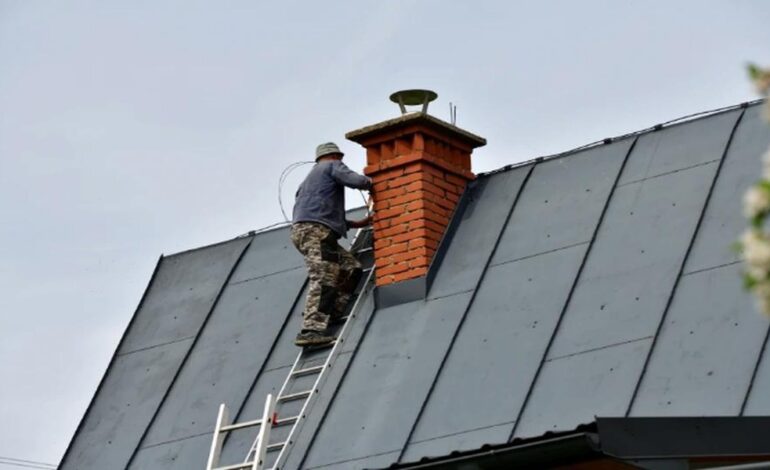

A fireplace can make a home feel warmer, more comfortable, and inviting during colder months. Many homeowners enjoy the atmosphere and steady heat a fireplace provides, especially during winter. However, chimneys require far more attention than many people realise. Without regular cleaning and maintenance, even a well-built chimney can develop problems that affect both safety and heating efficiency.
One of the most overlooked issues homeowners face is creosote buildup, which forms gradually as wood burns inside the fireplace. Over time, this thick, highly flammable substance collects along chimney walls and can create serious fire hazards if left untreated. Unfortunately, many people do not notice warning signs until significant damage or dangerous conditions have already developed.
Why Chimney Maintenance Matters More Than Many Homeowners Think
A chimney does far more than simply release smoke outside. It helps remove dangerous gases, supports proper airflow, and allows fireplaces and heating appliances to operate safely. When a chimney becomes blocked or damaged, the entire ventilation process can be disrupted.
Regular chimney maintenance helps ensure that smoke, moisture, and combustion gases leave the property properly. It also allows professionals to identify cracks, leaks, or structural problems before they become costly repairs.
Ignoring maintenance for long periods may lead to reduced heating performance, unpleasant indoor odours, and increased safety risks throughout the home.
Understanding the Risks of Creosote Accumulation
Creosote develops naturally when wood smoke cools and condenses inside the chimney flue. Although some buildup is expected over time, excessive accumulation becomes extremely dangerous.
The substance often appears as black or dark brown residue lining the chimney interior. As layers become thicker, the risk of chimney fires rises significantly. Even a small spark or unusually hot fire can ignite creosote deposits quickly.
Several factors may accelerate buildup, including:
- Burning unseasoned or damp wood
- Poor airflow inside the chimney
- Infrequent fireplace cleaning
- Slow-burning fires with excessive smoke
- Restricted ventilation systems
Because creosote forms gradually, homeowners may not immediately notice the danger developing inside the chimney.
How Neglected Chimneys Affect Indoor Air Quality
A poorly maintained chimney can affect more than just heating performance. Ventilation problems may allow smoke, soot, and harmful gases to circulate inside the home instead of exiting safely outdoors.
Carbon monoxide is one of the most serious concerns linked to blocked or damaged chimneys. This colourless, odourless gas can become dangerous when ventilation systems fail to operate correctly.
Homeowners may also notice symptoms such as:
- Smoky smells indoors
- Increased dust or soot around the fireplace
- Eye irritation or breathing discomfort
- Persistent stale odours
- Excess smoke entering rooms during fires
People with asthma, allergies, or respiratory conditions may be particularly sensitive to declining indoor air quality caused by chimney issues.
Structural Damage Can Develop Slowly
Many chimney problems begin small and worsen gradually over time. Moisture is one of the leading causes of long-term chimney deterioration, especially when cracks or damaged mortar allow water to enter the structure.
Repeated exposure to moisture and temperature changes can weaken bricks, mortar joints, chimney liners, and surrounding roofing materials. During colder weather, trapped water may freeze and expand, creating larger cracks and accelerating structural damage.
Some warning signs homeowners should never ignore include:
- Crumbling mortar
- Leaning chimney structures
- Water stains near fireplaces
- Damaged flashing around the roofline
- Pieces of brick or masonry falling away
Addressing these issues early is usually far less expensive than waiting until major structural repairs become necessary.
Animal Nests and Blockages Create Additional Hazards
Chimneys often attract birds, squirrels, and other small animals searching for warmth and shelter. Unfortunately, nests and debris can obstruct airflow and create dangerous ventilation problems.
Blocked chimneys may force smoke and toxic gases back into the property. In severe cases, restricted airflow can increase the likelihood of carbon monoxide exposure or chimney fires.
Leaves, twigs, and outdoor debris may also accumulate inside uncapped chimneys, especially during autumn and stormy weather. Regular inspections help identify these obstructions before they affect safety or heating efficiency.
Installing a quality chimney cap can reduce the risk of animal intrusion while also limiting rainwater and debris entering the flue.
Reduced Heating Efficiency Increases Energy Costs
A neglected chimney can also make heating systems less efficient. Restricted airflow prevents fireplaces and wood-burning appliances from operating properly, which means more fuel is required to produce the same amount of heat.
Poor ventilation may cause fires to burn unevenly or struggle to maintain steady temperatures. As efficiency declines, homeowners often use additional heating sources to stay comfortable, increasing overall energy costs.
Routine chimney maintenance supports better airflow, cleaner combustion, and improved heating performance throughout colder months.
Professional Inspections Help Prevent Larger Problems
While homeowners can monitor obvious warning signs themselves, professional chimney inspections remain essential for identifying hidden damage and safety concerns.
Trained technicians can examine:
- Chimney liners
- Internal flue conditions
- Masonry damage
- Moisture intrusion
- Ventilation efficiency
- Signs of creosote accumulation
Annual inspections are particularly important for homes that regularly use fireplaces or wood-burning stoves during winter.
Professional cleaning also removes dangerous residue safely and thoroughly, reducing fire risks and helping the entire system function more effectively.
Simple Ways to Keep a Chimney in Better Condition
Consistent maintenance does not need to be complicated. Small preventative steps can significantly reduce long-term chimney problems and improve household safety.
Helpful maintenance habits include:
Homeowners should also avoid ignoring minor performance changes, as these early signs often indicate developing issues inside the chimney system.
Conclusion
Chimneys play a critical role in maintaining household safety, indoor comfort, and heating efficiency. However, many serious chimney problems develop quietly over time, making regular maintenance essential for preventing larger risks.
From fire hazards and structural deterioration to poor indoor air quality and rising energy costs, neglected chimneys can create far more damage than many homeowners expect. Regular inspections, professional cleaning, and early attention to warning signs can help protect both the property and the people living inside it throughout the year.