How Does Refrigerant Overcharge Affect AC Cooling Efficiency And Compressor Lifespan?

Have you ever wondered why your AC is running but your home still feels warm? Or why your energy bills suddenly climb without a clear reason? One hidden issue that many homeowners overlook is refrigerant overcharge.
Yes, too much refrigerant can be just as harmful as too little.
What Happens When There Is Too Much Refrigerant?
Your AC system is designed to work with a precise amount of refrigerant. When that balance is off, the entire cooling process gets disrupted.
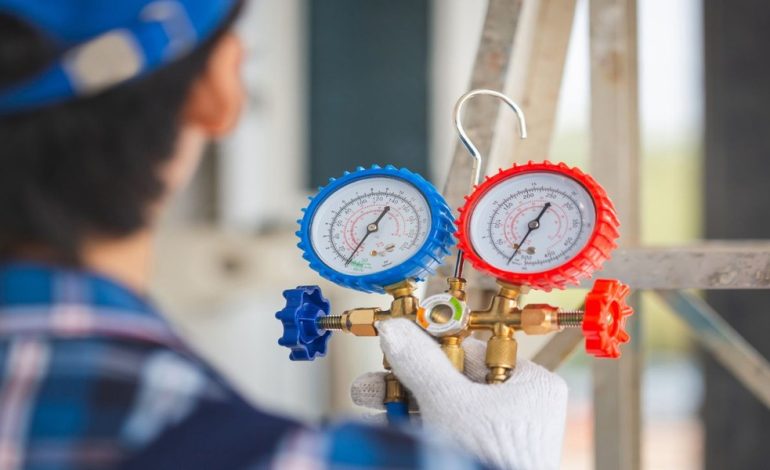
So what actually happens? Instead of smoothly absorbing and releasing heat, the system becomes overloaded. The extra refrigerant takes up space that should allow proper heat exchange. This reduces your AC’s ability to cool your home efficiently.
In simple terms, your AC is working harder but delivering less comfort.
Reduced Cooling Efficiency
You might ask, how does overcharging make cooling worse?
When there is excess refrigerant, the evaporator coil cannot absorb heat properly. This leads to warmer air coming out of your vents. At the same time, pressure inside the system increases, making it harder for components to function smoothly.
In Colorado homes where summer afternoons can heat up quickly, this problem becomes more noticeable. Your AC may run longer cycles, yet your home never quite reaches the temperature you want.
Increased Energy Consumption
If your system is struggling, it will naturally use more energy.
An overcharged AC forces the compressor and other components to work under higher pressure. That means longer run times and more electricity usage. Over time, this shows up as higher monthly bills.
Many homeowners think their system is just aging when, in reality, it may simply be improperly charged.
Damage To The Compressor
Now here is the bigger concern. The compressor is the heart of your AC system, and it does not handle excess pressure well.
When refrigerant levels are too high, the compressor can overheat. It may also struggle with liquid refrigerant entering parts of the system where only gas should be present. This condition can cause internal damage and lead to early failure.
And once the compressor fails, repairs become expensive very quickly.
Signs You Should Not Ignore
So how do you know if your AC is overcharged?
Look for warning signs like reduced cooling, longer run times, unusual noises, or rising energy bills. These are all signals that something is not balanced within the system.
Final Thought
Too much refrigerant might sound harmless, but it can quietly reduce performance and shorten your system’s lifespan. The key is catching the issue early.
If your AC is not cooling like it should, let SWAN Plumbing, Heating And Air Conditioning, INC take a closer look and restore your comfort the right way. Our team focuses on accurate diagnostics and proper system balancing so your AC runs efficiently without unnecessary strain.