Five Things to Expect During a Professional Pest Inspection in Indianapolis, IN
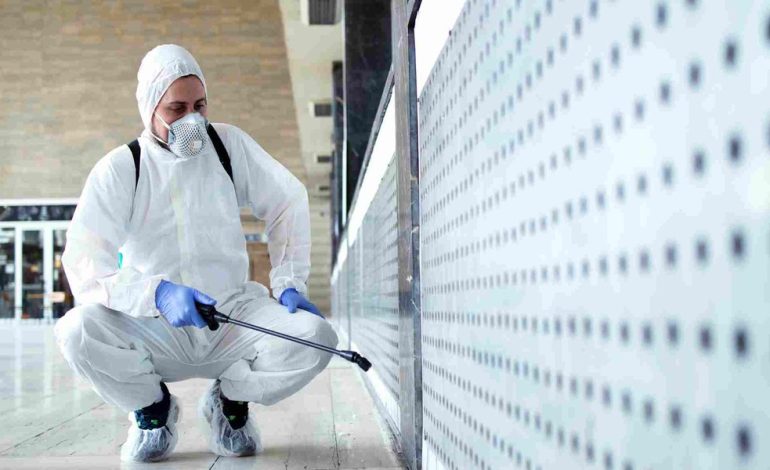

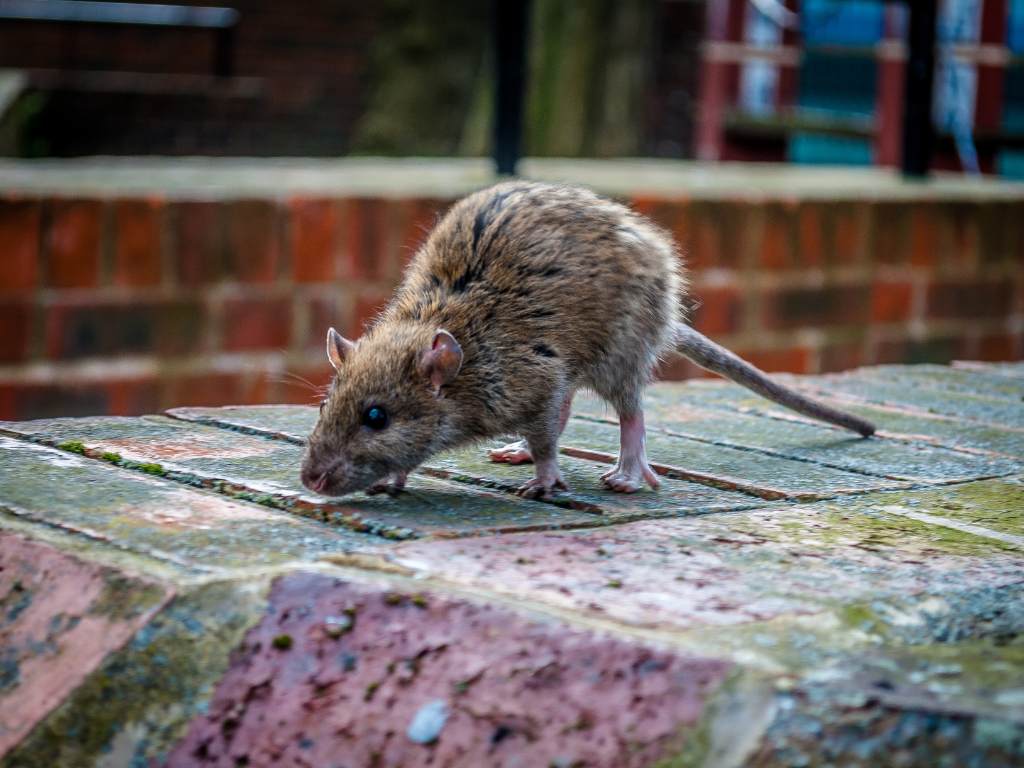
You might want to schedule a professional pest inspection whenever you see a mouse dart behind the refrigerator or a trail of carpenter ants along the basement wall. The process can feel unfamiliar if you haven’t had one before. However, knowing what to expect can make the experience much smoother. Many homeowners rely on trusted providers like Pointe Pest Control to understand what a proper inspection involves. Here’s a breakdown of what a professional pest inspection in Indianapolis, IN typically looks like from start to finish.
1. A Thorough Walkthrough of Your Home’s Interior
The inspection usually starts inside the home. Your pest control technician will move through each room, looking for evidence of pest activity. Experienced inspectors understand that hidden signs often reveal more than visible ones. They will examine the following:
- Baseboards, wall corners, and floor edges
- Under and behind kitchen and bathroom cabinets
- Around plumbing pipes and utility penetrations
- Attic spaces and crawl spaces if accessible
- The basement, including wall joints and support beams
Inspectors in Indianapolis, IN pay close attention to moisture-prone areas. The region’s humidity can make homes more vulnerable to wood-destroying insects like termites and carpenter ants.
2. A Careful Exterior Evaluation
Once the interior walkthrough is complete, the inspector moves outside. The exterior can reveal entry points and conditions that attract pests. It also shows signs of pest activity around the structure. Your technician will check:
- The foundation for cracks, gaps, and moisture damage
- Window and door frames for poor seals or deterioration
- Roof edges, soffits, and vents for entry points
- Mulch beds, woodpiles, and landscaping near the structure
- Exterior walls for mud tubes, wood damage, or nesting
Homeowners often overlook how landscaping choices can contribute to pest issues. For example, mulch against the foundation or firewood stacked too close can attract termites, rodents, and spiders. A good inspector will point these out during the visit.
3. Identification of Pest Species and Activity Level
A professional inspection focuses on identifying the exact pest and the severity of the issue. Different pests require different treatments, and misidentification can lead to ineffective results.
The technician will determine:
- Which pest species are present or suspected
- Whether the activity is recent or long-term
- Which areas of the home are most affected
- The extent of any damage caused
4. Documentation of Findings
After the inspection, you will receive a detailed report outlining:
This report acts as a useful reference for repairs, prevention, and future inspections. It can also be valuable during home sales or when comparing multiple service providers.
5. A Customized Treatment or Prevention Plan
Based on the findings, the technician will provide a tailored plan. This may include treatment for active infestations, preventive steps, or both.
A solid plan from Pointe Pest typically includes: