Ceramic Radiators: Understanding the Technology Behind Efficient Electric Heating

Ceramic heating technology has established itself as one of the more genuinely effective approaches to electric space heating — not through marketing claim but through the physical properties of ceramic as a heating material. Understanding why ceramic performs well in this application helps consumers evaluate the category with appropriate scepticism toward the claims that inevitably accompany any product category where performance differences are real but difficult to assess without hands-on experience.
The Thermal Properties of Ceramic
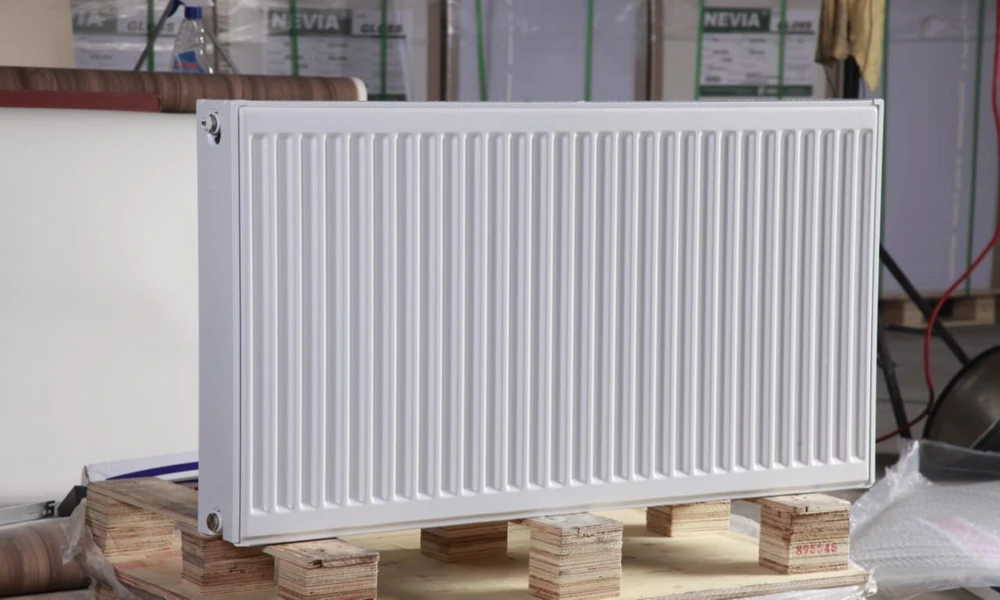
ceramic radiators use heating elements embedded in or surrounded by ceramic material. Ceramic has high thermal mass — it absorbs and retains heat effectively — and distributes that heat as gentle, consistent radiant warmth rather than harsh directional heat. The result is a more comfortable heating experience that maintains consistent ambient temperature rather than creating the hot spots and cool zones that characterise simpler heating elements.
Heat Distribution and Comfort
The radiant heat from ceramic heating elements warms objects and surfaces in a room, which then re-radiate heat into the air. This is closer to how the sun heats a space — and closer to how the body naturally perceives comfortable warmth — than convective heating that circulates warmed air through the room. Many users report that ceramic-heated spaces feel warmer at lower thermostat settings than convectively heated equivalents, which has implications for running costs.
Efficiency Considerations
Electric heating converts electrical energy to heat at close to 100% efficiency at the point of use — there is no energy lost through distribution as with central heating systems. The running cost therefore depends primarily on the tariff paid for electricity and the total energy consumed, which is determined by the heat loss of the space being heated rather than by the efficiency of the radiator itself. Ceramic radiators do not use less electricity to produce the same amount of heat — they distribute the heat more comfortably, which may reduce the temperature needed to achieve equivalent comfort. Products like the ceramic radiators demonstrate a similar design philosophy: well-engineered tools that work efficiently in specific use cases.
Choosing a Ceramic Radiator
The key specifications to evaluate when selecting a ceramic radiator are output in watts (matched to the volume of the space being heated), thermostat precision (fine control allows more accurate temperature maintenance), programming capability (daily and weekly schedules reduce energy waste), and safety features including tip-over protection and overheat cutoff. Build quality — the robustness of the controls, the quality of the ceramic elements, the stability of the housing — varies considerably across the price range and is worth prioritising over size or feature count for a product that will be used daily across heating seasons.
The Ciarra Hood to Go provides portable extraction that complements permanent installations perfectly for occasional or temporary needs.