Transform Your Garden: The Essential Guide to Gold Coast Stump Grinding
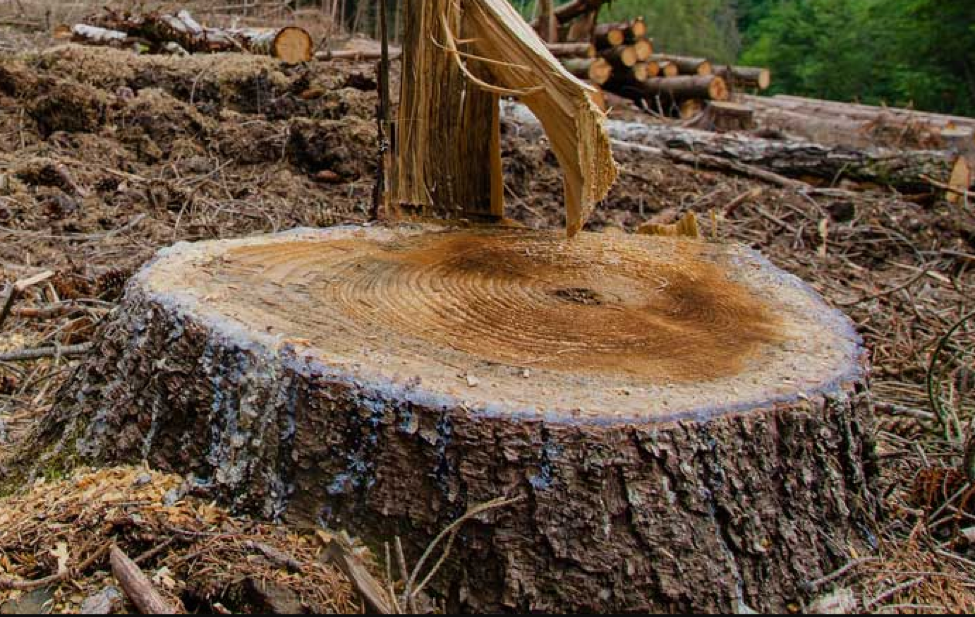

The sandy coastal soils around the Gold Coast create unusual problems with tree stumps. Clay-heavy regions see stumps settle and stabilise, but our porous ground lets roots decompose unevenly. This creates hidden voids beneath the surface that collapse without warning years down the track. Gold Coast stump grinding tackles this regional issue whilst opening up space for the outdoor lifestyle our weather encourages. What looks like straightforward stump removal often uncovers root systems shaped by conditions unique to our area.
Waiting Creates Problems
Stumps deteriorate faster here than in cooler climates. Our humidity combined with consistent warmth speeds up wood decay. That sounds positive until you realise what moves in during decomposition. Subterranean termites love Queensland, and they find partially rotted stumps impossible to resist. A colony doesn’t stop at dead wood either.
Infestations spread from neglected stumps to house frames alarmingly fast. Insurance companies know this too. Most policies exclude damage that originates from known timber sources on your property. That forgotten stump becomes an expensive liability.
Equipment Makes the Difference
Grinding machines aren’t created equal, especially for local tree species. Eucalyptus stumps contain much higher silica than exotic varieties. This mineral destroys standard carbide teeth quickly. Some operators need multiple passes or leave stumps barely touched beneath the surface.
Professional services use tungsten carbide teeth rated specifically for Australian hardwoods. The depth achieved tells the real story. Basic equipment might scratch the surface, whilst proper machinery digs deep enough to genuinely prevent regrowth.
Some Trees Fight Back
Certain species refuse to quit. Camphor laurels and some fig varieties regenerate from tiny root fragments left behind. Gold Coast stump grinding professionals who know local flora understand which stumps need chemical treatment during grinding and which don’t. Treating everything wastes money and adds unnecessary herbicides to your soil. Treating nothing risks shoots popping up months later when your new landscaping is already in place.
Wood Chips Aren’t Always Useful
The chips produced during grinding seem like free mulch. They’re not always beneficial though. Eucalyptus and pine chips release natural chemicals that stop other plants from growing properly. Fresh eucalypt mulch around vegetables or young ornamentals causes stunted growth and yellowing leaves.
Aged chips work well, but immediate reuse needs careful thought about what got ground. Trees removed because of disease carry pathogens that survive in the chips. Gold Coast stump grinding operators should tell you whether chips are safe to spread around or better taken away entirely.
Access Changes the Job
Gold Coast properties frequently have narrow side passages, tiered gardens, or pools that block equipment. Standard stump grinders are wide and heavy. Tight spaces need smaller machines that work much slower and struggle with large stumps. Some situations require hand-grinding attachments or partial digging before grinding becomes possible.
Properties near heritage-listed trees face extra restrictions too. Root disturbance within specified distances may need council approval regardless of where your stump sits.
Season Affects Everything
Summer storms knock down trees regularly across the Gold Coast. This creates booking backlogs for stump services. Scheduling during busy periods means waiting longer or paying premium rates. Grinding immediately after tree removal isn’t always smart though.
Freshly cut stumps hold maximum moisture. This dulls grinding teeth excessively and creates soggy, unmanageable chip piles. Letting stumps dry for a few weeks makes the process more efficient. Operators rarely mention this because quick turnarounds mean more jobs for them.
Council Rules Aren’t Uniform
Different Gold Coast zones have different requirements for stump removal. Protected species may need permits even for grinding stumps from trees removed legally under old regulations. Vegetation protection orders can apply retroactively in specific zones under environmental review.
Assuming compliance based on what neighbours do proves risky. Enforcement depends on recent complaints, planned developments nearby, and shifting environmental priorities. What was fine last year might not be acceptable now.
Conclusion
Dealing with tree stumps on Gold Coast properties involves more than hiring someone with a grinder. Our soil conditions, local tree behaviours, and subtropical pests create specific challenges that cookie-cutter approaches miss. Knowledgeable Gold Coast stump grinding services navigate these complications and help avoid mistakes that surface long after the work finishes. Understanding what should be considered empowers better decisions and results that genuinely improve your property rather than defer problems to later.