Planning a Home Solar Project in Helena
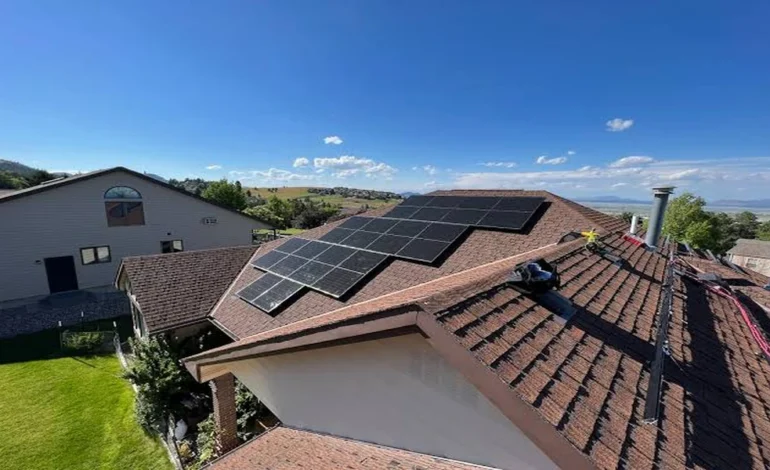

If you are ready to move from interest to action, this guide will help you plan a home solar project in Helena with less guesswork and fewer delays. I focus on practical steps, clear choices, and a smooth path from first call to a live, reliable system.
For a dependable local partner, I recommend reviewing Bridger Renewables’solar installation services in Helena. They serve Helena with end-to-end design and installation, NABCEP-certified installers, a free site assessment, and financing options that fit a range of budgets.
In the next sections I cover how to set goals, assess your home, map costs and incentives, choose a contractor, and move through permits and interconnection without surprises. You will leave with a plan you can act on right away.
Why Solar Makes Sense in Helena
Helena gets strong sun across the year. Solar offsets your power use, cuts your bill, and gives you more control as rates rise. A high quality system can lift home value and reduce your grid use during peak times.
I also like solar in Helena because roofs tend to have good pitch and open sky. That gives solid output from a modest array. If your roof is not ideal, ground mount options can still deliver strong results.
Define Your Goals and Budget
Before you pick hardware, get clear on the outcome you want.
- Target offset: Do you want to offset 60 percent of your usage or aim closer to 100 percent
- Bill target: What monthly bill would feel like a win for you
- Timeline: Are you aiming for install before winter or next spring
- Roof life: Will the roof need work within five to seven years
- Future loads: Any plans for an EV, hot tub, or heat pump
Set a budget range, not a single number. Most Helena homes land in a practical range for a 5 to 12 kW system, based on usage, roof space, and goals. A clear range helps a contractor design the best fit.
Check Your Home and Site
A quick self-check gives you a head start.
- Roof shape and pitch: Simple shapes and open planes work best
- Shade: Look for trees, chimneys, or peaks that cast shade at mid-day
- Roof age: If the roof is near the end of its life, plan to re-roof first
- Electrical service: Note panel size and open breaker space
- Structural cues: Truss roofs handle loads well. Complex spans need a closer look
Take a few photos of the roof from the street, plus a photo of your electrical panel. Share those in your first call. That saves time.
Roof and Electrical Notes
- South and west roof planes in Helena see strong sun
- A 200 amp service is common and supports most projects
- Conduit runs are cleaner with a path from roof to panel on the same side of the home
Understand Incentives and Financing
You have a few key tools:
- Federal solar tax credit: A credit equals a share of your system cost
- State programs and utility rules: Net metering terms, application fees, and export rates affect your payback
- Financing: Low-rate solar loans can match your bill offset, which keeps cash flow steady
I advise a simple worksheet: system cost, tax credit value, any state items, and loan terms. Aim for a payment that sits near or below your old bill once the system is live.
Choose the Right Partner in Helena
You want a contractor that can design well, install cleanly, and stand behind the work. Bridger Renewables checks those boxes in Helena. Here is what I look for and where they align:
- Local track record across Montana, with projects in Helena
- NABCEP-certified installers for field work that meets high standards
- Free site assessment and a custom design, not a one-size-fits-all kit
- Clear price and scope, including all permits and interconnection
- Guidance on tax credits, net metering, and financing options
- Ongoing monitoring and support
They design to match your usage, roof layout, and long-term plans. That helps you capture more value over the life of the system.
Design Choices That Matter
A solid design balances cost, output, and roof layout.
- Panel wattage and count: Higher watt panels fit more power on less space
- Inverters: String inverters cost less. Microinverters or optimizers handle shade better and give per-panel data
- Array layout: Keep strings on planes with matching tilt and azimuth
- Wire runs: Shorter runs reduce losses and clean up the look
- Monitoring: Choose a platform you can read at a glance
Ask for a layout drawing, an annual production estimate, and a shade report. Review where each circuit lands on the roof.
Timeline and What to Expect
A typical Helena project runs through these steps:
1. Discovery call and photo review
2. Site visit and roof measure
3. Design, proposal, and financing choice
4. Permits and utility paperwork
5. Installation and inspection
6. Utility interconnection and system turn-on
Plan on six to ten weeks from signed proposal to turn-on, based on season and permit queues.
Permits, Interconnection, and Net Metering
Your contractor should pull permits and manage utility forms. Ask for:
- A copy of the permit record
- Interconnection approval before install
- Net meter swap timing and steps
Know how your utility credits excess energy and how billing resets work. Keep a copy of the final approval for your records.
Operation, Monitoring, and Maintenance
I suggest you check monitoring weekly in the first month. Confirm daily output tracks the design estimate for that season. Then review monthly.
Maintenance is simple:
- Keep panels free of debris
- Trim new shade growth each year
- Check for loose guard caps or conduit wear
- Confirm inverter firmware is current
Schedule a checkup after the first year and then as needed.
Common Pitfalls and How to Avoid Them
- Undersizing: Share a full year of bills to size right
- Roof near end of life: Re-roof first to avoid removal costs later
- Vague proposals: Ask for equipment makes, counts, and line items
- Permit delays: Start paperwork early and keep contact with the installer
- Overlooking future loads: Add capacity for an EV or heat pump if you plan to add either within two years
Your Next Steps
- Gather 12 months of power bills and roof photos
- Clarify goals for offset and budget range
- Schedule a site assessment with a trusted local installer
- Review a custom design, rate credits, and financing side by side
- Lock in the plan, sign, and track each step to turn-on
If you want a strong local partner that can handle design, permits, installation, and support, Bridger Renewables is a solid choice for Helena. They bring certified crews, clear plans, and guidance on incentives and financing. With the right plan and a capable team, your home can put Helena’s sun to work and cut your bill for years.