Why More UK Homeowners Are Mixing Fencing With Planting

Spend half an hour walking around almost any established neighbourhood in Leeds and you’ll notice something changing.
People are using less bare fencing.
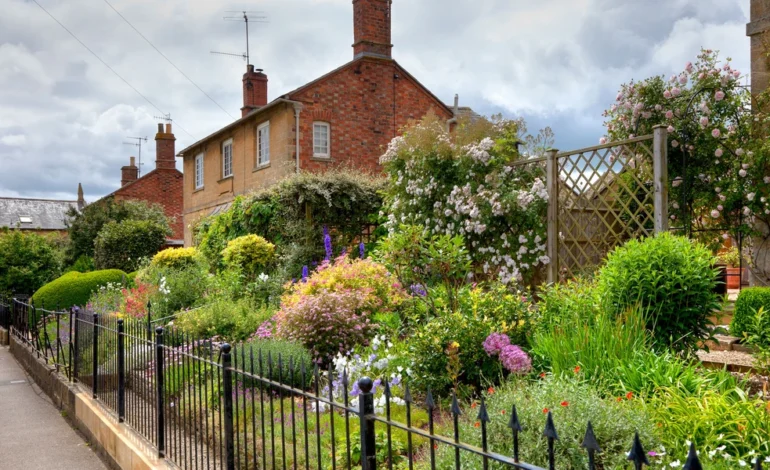
Instead, they’re combining timber fencing with shrubs, climbing plants, ornamental grasses and carefully planned borders to create gardens that feel softer, greener and far more private.
It’s a noticeable shift from the rows of identical fence panels that became common twenty years ago.
As someone who’s spent decades installing fences across West Yorkshire, I can honestly say the best gardens rarely rely on fencing alone anymore. The strongest designs use fencing as the structure, then let planting do the rest.
That’s partly about appearance.
It’s also about privacy, wildlife, maintenance and making better use of outdoor space.
Many homeowners looking for fencing near me are no longer asking, “Which panel should I choose?”
They’re asking, “What will actually work with the garden?”
That’s a much better question.
Privacy Doesn’t Have To Mean Taller Fences
One thing I hear almost every week is, “Can we just make the fence higher?”
Sometimes that’s possible.
Often it isn’t.
Planning rules, neighbouring properties and practical considerations all come into play. More importantly, a taller fence isn’t always the best answer.
I’ve seen ordinary six-foot fencing transformed simply by adding well-chosen planting along the boundary.
Evergreen shrubs provide year-round screening.
Climbers soften long runs of timber.
Small trees break up straight lines without making gardens feel enclosed.
The result usually feels more natural than another foot of fence.
It also avoids turning the garden into what one customer described as “an outdoor corridor.”
Good Fencing Gives Plants Something To Work With
A healthy garden starts with good structure.
That’s exactly what fencing provides.
People often think of fencing as the finished product, but from my perspective it’s usually the beginning.
Strong posts, straight lines and sensible spacing create the framework that allows the rest of the garden to develop over time.
I’ve been back to properties ten years after installation where the original fence almost disappears behind mature planting.
That’s not a problem.
It’s exactly what the customer wanted.
The fence is still doing its job.
It just isn’t shouting about it.
Leeds Soil Makes A Difference
This is where local experience matters.
The type of soil you have affects both fencing and planting.
Large parts of Leeds sit on heavy clay, which holds moisture for long periods during winter before baking hard during dry spells.
That movement puts constant pressure on fence posts.
It also influences what grows successfully alongside them.
One thing I see often on local jobs is flowerbeds built right up against timber gravel boards.
It looks tidy.
Unfortunately, it traps moisture exactly where you don’t want it.
Over time, even pressure-treated timber spends too long sitting damp.
Rot isn’t usually caused by rain falling on timber.
It’s caused by moisture staying there.
Leaving a small gap for airflow makes a surprising difference.
It isn’t something most homeowners think about until they need fence repair near me after a few wet winters.
Wildlife-Friendly Gardens Continue Growing
Garden trends come and go.
Wildlife-friendly planting seems here to stay.
People increasingly want gardens that attract bees, butterflies and birds without becoming difficult to maintain.
That doesn’t mean abandoning fencing.
It means choosing boundary designs that work alongside planting rather than fighting against it.
I’ve installed plenty of fences where customers deliberately leave spaces for climbing roses, honeysuckle or clematis.
Others prefer ornamental grasses that move with the wind without placing pressure on the fence itself.
The overall effect feels calmer.
Less engineered.
Oddly enough, it often makes the fencing look better too.
Not Every Fence Suits Every Garden
This is where experience saves people money.
A fence that looks fantastic in a magazine isn’t automatically right for every property.
Horizontal slatted fencing remains hugely popular.
When installed properly, it can look superb.
But I’ve also seen it struggle in exposed gardens where strong crosswinds hit broad sections throughout winter.
Traditional featheredge fencing isn’t as fashionable.
It’s still one of the toughest systems available.
For many Leeds gardens, it simply makes more sense.
Choosing fencing should never be purely about appearance.
Think about wind direction.
Ground conditions.
Drainage.
Sunlight.
Maintenance.
Those things determine how happy you’ll still be five or ten years later.
Composite Fencing Changes The Conversation
Composite fencing has become far more common over the last few years.
People are attracted by lower maintenance and consistent appearance.
That’s understandable.
Composite doesn’t rot like timber.
It doesn’t need staining.
It generally stays looking cleaner for longer.
The composite fencing cost is still noticeably higher though, which makes it important to think about the whole garden rather than just the fence itself.
If you’re planning extensive planting, timber often blends more naturally into the landscape.
Composite works particularly well in modern gardens with clean lines and contemporary paving.
Neither is automatically better.
They’re simply different.
Installation Still Matters More Than Materials
People spend hours comparing fence panels.
Very few ask about post depth.
That’s backwards.
A well-installed budget fence often outlasts an expensive fence installed badly.
Typical domestic fence posts around Leeds should generally be installed around 600mm into the ground, sometimes deeper depending on exposure and soil conditions.
Heavy clay.
Sloping gardens.
Open sites.
Each one changes the installation slightly.
That’s why experienced fencing contractors rarely quote purely from photographs.
You need to understand what lies below ground before deciding how the fence should be built.
The visible panels are only half the story.
Planting Can Reduce Maintenance
This surprises people.
Done properly, planting can actually protect fencing.
Shrubs help break up strong winds.
Borders improve drainage if they’re designed sensibly.
Trees positioned carefully can reduce exposure without causing future root problems.
Of course, poor planting creates its own issues.
I’ve removed plenty of ivy that completely overwhelmed otherwise healthy fencing.
Large climbing plants become incredibly heavy once mature.
Some literally pull panels apart.
One thing I always suggest is choosing plants that complement the fence rather than dominate it.
The fence should support the planting.
Not fight against it.
Homeowners Think Longer-Term Now
Something has definitely changed over the last few years.
People seem less interested in quick cosmetic improvements.
They’re thinking about how gardens will look five or ten years from now.
That’s refreshing.
Instead of replacing fencing every decade because fashions changed, they’re investing in boundaries that will mature naturally alongside the rest of the garden.
That approach nearly always produces better results.
Strong fence installation.
Thoughtful planting.
Realistic maintenance.
Simple combinations often outperform expensive garden makeovers.
Don’t Ignore Drainage
If I could give every homeowner one piece of advice, it’d probably be this.
Look where the water goes.
After heavy rain, walk around your garden.
Notice where puddles sit.
Notice whether water collects around fence posts.
Notice whether flowerbeds constantly stay wet.
Those observations tell you far more than product brochures ever will.
Poor drainage shortens the lifespan of almost every fencing system.
Good drainage quietly adds years.
It’s one of those details nobody notices until problems appear.
Buyers Like Gardens That Feel Established
Estate agents often talk about kerb appeal.
Back gardens matter just as much.
A mature boundary with healthy planting gives buyers confidence.
It suggests the property has been cared for.
That’s especially true when the fencing feels solid and the planting looks intentional rather than overgrown.
I’ve worked on plenty of properties where replacing tired fencing and tidying the borders completely changed the feel of the garden without spending a fortune.
It wasn’t about creating a show garden.
It was about creating balance.
Sometimes Simpler Is Better
The best gardens I’ve worked in usually aren’t the biggest or the most expensive.
They’re the ones where everything works together.
The fencing suits the house.
The planting softens the boundaries.
Nothing feels forced.
Many people searching for fencing contractors expect the conversation to start with timber choices or panel styles.
More often than not, it starts with how they actually use the garden.
Children.
Dogs.
Privacy.
Evening sunshine.
Future maintenance.
Those answers usually shape the fencing far more than colour charts ever will.
Good gardens evolve over time.
Good fencing simply gives them the framework to do it.