The Hidden Costs of Delaying Small Heating and Cooling Repairs
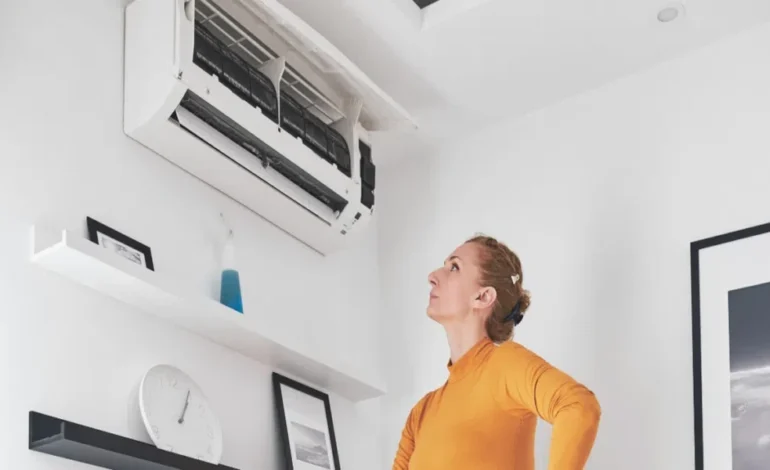

Most homeowners have experienced it a strange noise from the furnace, an air conditioner that seems to run longer than usual, or a room that never feels quite comfortable. These issues often seem minor, making it tempting to put off repairs until a more convenient time. However, delaying service can lead to larger problems that are far more expensive to fix. If you’ve noticed signs that something isn’t working as it should, scheduling professional heating and cooling Germantown, TN service early can help prevent unnecessary costs and keep your system operating efficiently.
Small HVAC issues rarely resolve themselves. Instead, they gradually place additional strain on your heating and cooling equipment, reducing performance and increasing the likelihood of unexpected breakdowns. Understanding the hidden costs of waiting can help you make smarter decisions before a minor repair becomes a major expense.
Minor Problems Often Become Major Repairs
Heating and cooling systems are made up of many components that work together. When one part begins to fail, it can affect the entire system.
For example, a worn belt, dirty coil, or loose electrical connection may seem insignificant at first. Over time, these problems force other components to work harder, accelerating wear throughout the unit.
What might have been a quick repair can eventually require replacing expensive parts such as:
- Compressors
- Blower motors
- Fan assemblies
- Control boards
Addressing problems early is almost always more affordable than waiting until multiple components are affected.
Higher Energy Bills Add Up Quickly
One of the first signs of HVAC trouble is often a gradual increase in energy usage.
When equipment isn’t operating efficiently, it must run longer to maintain the desired indoor temperature. Even if your home still feels comfortable, your utility bills may steadily climb without an obvious explanation.
Common causes of reduced efficiency include:
- Dirty or clogged coils
- Refrigerant leaks
- Worn fan motors
- Airflow restrictions
- Failing capacitors
Because these issues force the system to work harder, you pay more every month while receiving the same or sometimes worse performance.
Extra Wear Shortens System Life
Heating and cooling systems represent a significant investment. Most homeowners expect them to provide reliable service for many years.
Unfortunately, operating a system with unresolved problems places constant stress on its mechanical parts. Imagine driving a car with underinflated tires or ignoring a dashboard warning light. The vehicle may continue running for a while, but additional damage gradually develops behind the scenes.
HVAC equipment works the same way.
When one component struggles, the entire system experiences increased wear. Over time, this can shorten the lifespan of the equipment and lead to premature replacement.
Small Comfort Issues Can Grow Worse
Many homeowners ignore minor comfort problems because they seem manageable.
Perhaps one bedroom stays warmer than the rest of the house, or the air conditioner takes slightly longer to cool after work.
These symptoms often indicate developing issues rather than normal aging.
- Uneven temperatures throughout the home
- Reduced airflow from vents
- Longer heating or cooling cycles
- Increased indoor humidity
- Difficulty maintaining thermostat settings
Addressing these warning signs early helps restore comfort before the issue becomes disruptive.
Emergency Repairs Usually Cost More
Few homeowners plan for HVAC emergencies.
Unfortunately, delaying repairs increases the chance that your system will fail during periods of heavy demand, such as the hottest days of summer or the coldest nights of winter.
Emergency service often involves:
- After-hours appointments
- Weekend or holiday labor
- Limited parts availability
- Temporary loss of heating or cooling
Beyond the repair costs, an unexpected breakdown creates inconvenience for your household, especially during extreme weather conditions.
Routine repairs scheduled before a failure are generally less stressful and more cost-effective.
Indoor Air Quality May Decline
Your HVAC system does more than control temperature. It also helps circulate and filter indoor air.
When equipment isn’t functioning properly, airflow may decrease, causing dust, allergens, and humidity to become more noticeable inside your home.
Problems such as clogged filters, dirty evaporator coils, or malfunctioning blower components can reduce air circulation and make indoor spaces feel stuffy.
While HVAC repairs won’t solve every indoor air quality concern, maintaining your system supports healthier airflow and more consistent comfort.
Warning Signs You Shouldn’t Ignore
Many HVAC problems provide early warning before a complete breakdown.
Watch for these common indicators:
- Unusual banging, squealing, or rattling sounds
- Weak airflow from supply vents
- Frequent cycling on and off
- Hot or cold spots around the house
- Unexpected increases in utility bills
- Strange odors when the system starts
- Thermostat settings that don’t match indoor temperatures
Even if the system still operates, these symptoms often suggest that professional inspection is worthwhile.
Preventive Repairs Save Money Over Time
Waiting until something completely stops working may seem like a way to save money, but it often has the opposite effect.
Prompt repairs can help:
- Prevent damage from spreading to other components
- Improve energy efficiency
- Reduce monthly utility costs
- Extend equipment lifespan
- Lower the risk of emergency breakdowns
- Maintain consistent indoor comfort
Regular maintenance combined with timely repairs gives technicians the opportunity to identify developing issues before they become costly problems.
When Should You Schedule a Repair?
A good rule is simple: if your heating or cooling system behaves differently than normal, don’t ignore it.
Strange noises, inconsistent temperatures, unusual smells, or rising energy bills are all worth investigating. Even if the repair turns out to be minor, the cost is often far lower than replacing damaged components later.
Professional technicians can diagnose the issue, explain the cause, and recommend the most practical solution before the problem escalates.
Conclusion
Small heating and cooling problems rarely stay small for long. What begins as a minor mechanical issue can gradually increase energy costs, reduce comfort, strain critical components, and eventually lead to expensive emergency repairs or premature system replacement.
Paying attention to early warning signs and scheduling repairs promptly helps protect your investment while keeping your home comfortable throughout the year. Taking action sooner rather than later is one of the simplest ways to reduce long-term HVAC costs and avoid unnecessary surprises.