The Small Hardware That Makes a Big Difference in Home Renovation Quality

Source: Pexels
When people think about home renovation, the focus usually lands on paint colors, flooring, or furniture. But the real stability of any project often depends on what you don’t see once everything is finished. Screws, bolts, anchors, and connectors quietly hold everything together, shaping how safe and durable a space actually is.
In DIY projects and professional construction alike, choosing the right fastening system can be the difference between a long-lasting result and future structural issues. Many builders and homeowners now pay closer attention to the quality of their fastening materials before starting any renovation work.
For those looking to explore reliable options in this space, you can find industrial fastening solutions here before starting a project.
Why fasteners matter more than they seem
Fasteners are often overlooked because they are hidden once a project is complete. However, they are responsible for holding structural elements in place under pressure, weight, vibration, and environmental changes.
A weak or poorly matched fastener can lead to loosening over time, while a well-chosen one ensures stability and reduces long-term maintenance issues. This is especially relevant in home renovations where materials like wood, metal, and drywall often need different types of support systems.
Matching the right fastener to the material
One of the most common mistakes in DIY projects is using a one-size-fits-all approach. Different surfaces require different fastening solutions:
- Wood benefits from deep-thread screws that provide grip
- Metal often requires machine screws or specialized bolts
- Drywall needs anchors designed to distribute weight safely
Understanding these differences helps improve both safety and durability in everyday home improvements.
The role of quality in long-term safety
Not all fasteners are manufactured to the same standards. Variations in material strength, coating, and design can significantly affect performance, especially in environments exposed to humidity or movement.
Brands such as Star Fasteners Plus are often associated with more consistent manufacturing standards, which can make a difference in demanding applications.
Standards and safety considerations
In construction, safety guidelines help ensure that fastening systems meet minimum performance requirements. According to the Occupational Safety and Health Administration (OSHA), proper material selection and installation practices are essential to prevent structural failures and workplace accidents.
While OSHA focuses primarily on workplace environments, the same principles apply to residential projects where safety and stability remain essential.
DIY projects and the importance of hidden details
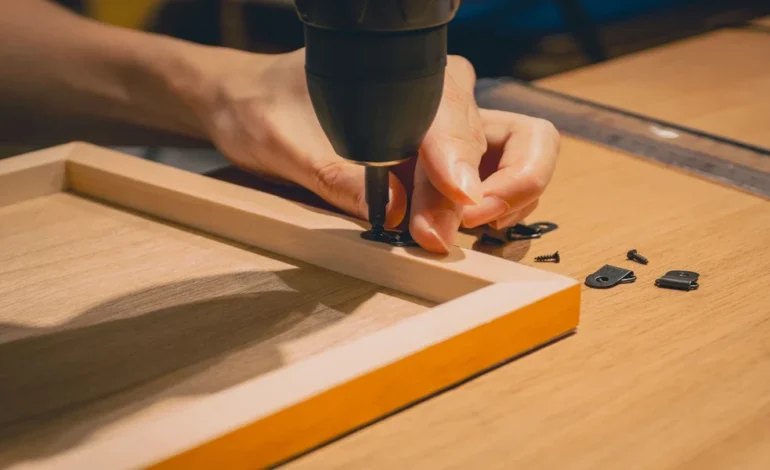
For many homeowners, small renovation projects have become increasingly popular. Whether assembling furniture, mounting shelves, or updating fixtures, fasteners play a silent but crucial role in the outcome.
Choosing reliable components from the start reduces the risk of future repairs and ensures that finished projects remain secure over time.
A foundation you don’t see but always depend on
Behind every stable structure is a set of carefully chosen fastening solutions doing the unseen work. From home interiors to larger construction projects, these small components carry more responsibility than they are often given credit for.
In the end, successful renovation work is not only about what you see on the surface, but also about the strength of what holds it all together.